Group Hug or Going It Alone? The Honest Truth About Slimming Clubs in 2025
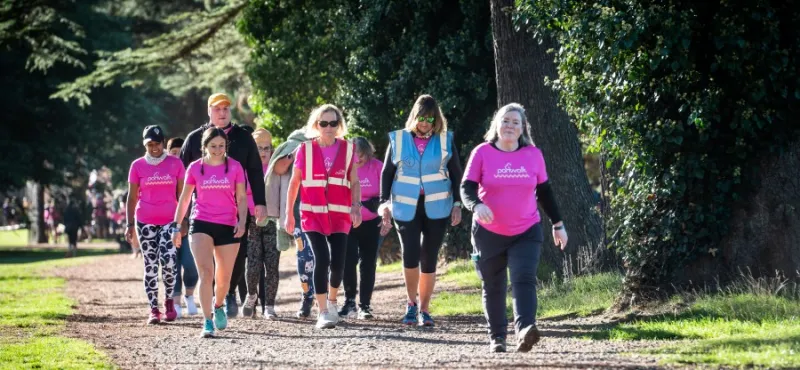
Photo: women walking parkrun community outdoor fitness UK park morning, via images.parkrun.com
Every January, the same question rolls around British women's group chats: shall I rejoin Slimming World, or shall I try doing it myself this time?
It's a genuine dilemma. On one side, the village-hall institutions that have helped millions shift the pounds since the 1960s. On the other, a whole ecosystem of free apps, Parkrun communities and online forums that simply didn't exist when our mums were counting sins and syns. So which actually works in 2025? As with most things in life — it depends on you. But let's have a proper look at both sides.
The Case for the Slimming Club
There's a reason Slimming World, Weight Watchers and the smaller players like Slimming World's rivals have survived decade after decade: the format works for a lot of people.
Accountability. Knowing you'll stand on the scales in front of Sandra and the gang on Tuesday evening is a powerful motivator. Research from UK universities has repeatedly shown that structured group programmes with regular weigh-ins produce better average weight loss over 12 months than self-directed dieting. The National Institute for Health and Care Excellence (NICE) even recommends community weight-loss programmes as part of NHS referral schemes in some areas.
The human element. The weekly group is part therapy session, part cheer squad. When you've had a rubbish week, fifty other women who've been there will talk you round. That's hard to replicate on an app.
Structure without thinking. Food optimising, points, plans — the thinking's done for you. For anyone drowning in decision fatigue, that's gold.
The downsides? Cost, for one. Between £6 and £10 a week adds up to £300–£500 a year. And let's be honest — the scales-based model isn't for everyone. Some women find weekly public weigh-ins motivating; others find them downright punishing.
The Case for Going Solo
Then there's the DIY route — and it's never been better equipped.
Apps have come of age. Free trackers like Nutracheck, MyFitnessPal and the NHS Weight Loss Plan give you calorie data, barcode scanning and progress charts that would have seemed like science fiction in 2005. You get the numbers without the membership fee.
Parkrun is the real club now. Every Saturday morning, millions of us jog, walk and shuffle 5k at our local park — and the community spirit rivals anything in a church hall. Nobody times you but yourself, and the post-run coffee is where the real friendships form. It's free, it's weekly, and it's wonderfully un-intimidating.
Online communities fill the gap. Reddit's UK weight loss threads, Facebook groups and Mumsnet's boards offer round-the-clock support from people on the same road. You can ask about menopause bloating at 11pm and get twelve answers by midnight.
The catch? Solo requires self-discipline and honest self-reporting. There's no Sandra noticing you've avoided the scales for three weeks. Studies suggest attrition rates for self-directed dieting are high — plenty of us quietly give up by March.
What the Success Stories Tell Us
Ask around and the pattern is clear: the people who succeed are the ones whose method matches their personality.
Take the club loyalists — women who've maintained a three-stone loss for years and credit the routine, the people and the gentle pressure. Then take the solo achievers who say they felt judged in group settings and blossomed once they could lose weight privately, on their own terms, tracked in an app nobody else sees.
Neither is wrong. What would be wrong is forcing yourself into a format that makes you miserable — because miserable rarely lasts.
Our Honest Verdict
If you're new to weight loss, thrive on routine, or know you'll struggle alone — join a club. The cost is real, but so is the support, and many GP surgeries offer free referrals to programmes if money's tight.
If you're self-motivated, budget-conscious, or the thought of public weigh-ins makes you shudder — go solo, but borrow the best bits of the club model: weekly check-ins, a supportive community (hello, Parkrun), and a plan you don't have to invent each morning.
And if you're still torn? Try a hybrid. Track on an app, walk with a Parkrun crew, and save the club membership for when you hit a plateau and need a boost.
The best diet plan, as ever, is the one you'll still be following next January.