Forecourt Feast: How to Eat Properly When the M6 Offers You Nothing But Crisps
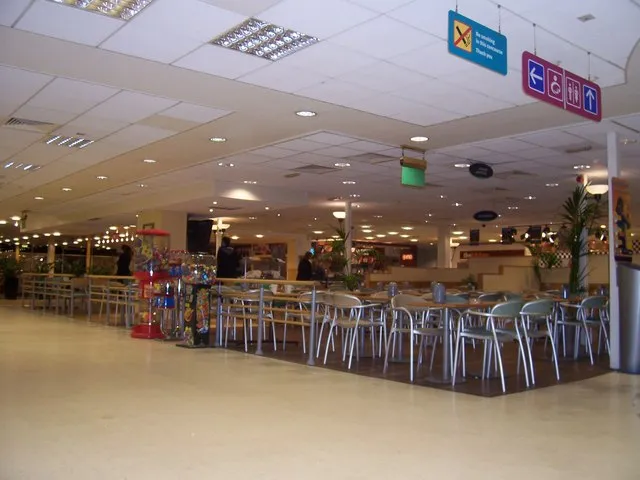
Photo: Lewis Clarke, CC BY-SA 2.0, via Wikimedia Commons
There is a specific moment in every long drive where hunger arrives at exactly the wrong time. You've been on the M6 since Bristol, the satnav is lying about the arrival time, and the next sign says services in eleven miles. You arrive at a quarter to nine to find half the units shuttered, a Costa with the chairs stacked, and a shop that smells faintly of hot pastry and regret.
The usual healthy-eating advice — plan ahead, cook at home, read the label — has completely left the building. So let's do this properly, from what is actually in the building.
Rule one: shop the edges of the shop
Motorway service retailers are laid out like a small supermarket, and the same logic applies. The sandwiches, salads, fruit, milk and yoghurts tend to live around the outside, cooler and fresher. The middle of the floor is the ambush zone: sharing bags, chocolate, 'protein' flapjacks, three-for-two crisps.
Walk the perimeter first, ask yourself what a full meal looks like, and only then venture into the middle for one deliberate extra. Going straight to the till via the crisp aisle is how a 900-calorie dinner happens by accident.
The traps, named and shamed
The meal deal. A sandwich plus a full-sugar drink plus a bag of crisps is regularly 600–750 calories and about nine minutes of satisfaction. Swap the crisps for fruit and the drink for water and you've just saved 300 calories without changing anything you actually wanted.
The 'protein' flapjack. A flapjack already contains oats, which means it was never a low-calorie object. Adding whey to the top does not change the 380 calories underneath. It's a cake with a gym membership.
The large milky coffee at nine at night. A big latte with a syrup is 250–350 calories and a guaranteed 2am stare at the ceiling. If you need the ritual, black coffee or a tea.
Anything described as breakfast. Croissants, porridge pots, sausage baps — service stations serve breakfast around the clock because nobody checks. A croissant is not more appropriate at 9pm than it is at 6am.
The passenger's sharing bag. Someone buys a large bag of crisps for the car. Guess who eats most of it in the dark on the M42.
What to actually assemble
Ranked by how well they work as an actual meal, from best to merely fine.
1. The supermarket-format food hall. Most large services now have an M&S Food or a similar grocer. This is your best-case scenario and it's not close. A pack of cooked chicken or a couple of boiled eggs, a side salad or a bag of prepared veg with a dip, a yoghurt, and a bottle of water. Roughly 350–450 calories, proper protein, actual fibre, and no sugar crash in ninety minutes.
2. Sandwich plus additions. Buy a plain-ish sandwich — chicken salad, ham and mustard, egg and cress — then bulk it out rather than doubling up. A pot of hummus with carrot batons. A banana. A carton of milk. You'll end up fuller than you would on the sandwich and crisps combination, for fewer calories.
3. The burger chain, ordered carefully. A grilled chicken wrap or a plain burger with a side salad, skip the fries, and a bottle of water. You will still be eating a burger at a service station and it will still be fine. Combo meals are where the damage is, not the sandwich.
4. The bakery chain. Chicken and bacon salad where it exists, or a soup, or a veg and hummus baguette. Watch the sausage rolls and the sweet pastries — a sausage roll and a latte is a 700-calorie snack pretending to be dinner.
5. The fried chicken counter. Choose rice over chips, choose the original rather than the extra-crispy, and take the skin off if you can be bothered. Not ideal. Also not a disaster.
6. The petrol station forecourt, no food hall. This is where it gets grim, but it's not impossible. Combos that work: a pot of Greek yoghurt plus a banana plus a handful of nuts from the small packs; a tinned tuna or a packet of cooked chicken with a ready-made salad pot; a carton of milk with a cereal bar for the last hour of the drive. Avoid anything that requires a microwave you won't find.
The glovebox kit that saves the night
Five things, kept in the car permanently, that take the edge off so you can make a sensible choice when you get there rather than eating the first thing in the shop:
- A big bottle of water, refilled before you leave.
- A couple of apples or satsumas.
- A small bag of unsalted nuts.
- A plastic fork and a couple of napkins.
- A protein bar or a couple of oatcakes, kept for emergencies rather than snacks.
None of this is exciting. All of it means you arrive at the services a bit less feral.
Two things that matter more than the food
Don't eat while driving. It sounds obvious, but most late-night service station eating is a response to boredom and tiredness rather than real hunger. Pull over, sit down, eat it properly, take ten minutes. You'll eat less and you'll be safer on the road.
Count the day, not the meal. One imperfect dinner on the M6 does not undo a week. What undoes a week is deciding at 9pm that the day is ruined, buying the sharing bag and the doughnut, and starting again on Monday. Buy the chicken, the salad and the yoghurt, eat it in the car park, and get home.
The short version
Perimeter of the shop. Protein plus something green plus something wet to drink. Skip the meal deal crisps. Don't buy the flapjack. Sit down to eat it. Drive home.