Back in Mum's Kitchen: The Unexpected Portion Masterclass of Multi-Generational Living
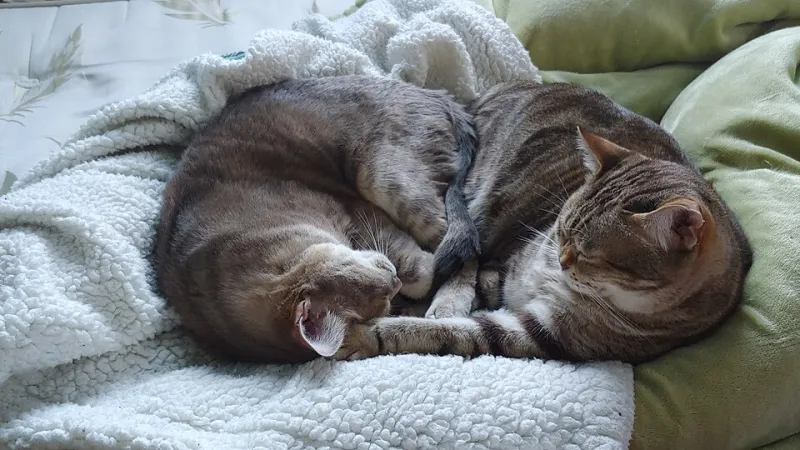
Photo: Walden zane anagram, CC BY-SA 4.0, via Wikimedia Commons
A plate is not a portion
I'd like to tell you I moved back in with my mum at 42 out of noble, grown-up choice. In truth, it was a rent rise, a broken boiler and a flexible boss. What I didn't bank on was that the hardest adjustment wouldn't be sharing a bathroom with a woman who hoards carrier bags — it would be renegotiating what dinner actually looks like.
Mum cooks the way she learned in the seventies: generously. A 'spoonful' of mash is a serving spoon heaped to the ceiling. A 'little bit of gravy' could float a narrowboat. Within a fortnight, my jeans had noticed.
The comfort-food ambush
Here's the thing nobody warns you about: it's not the food itself, it's the associations. Mum's cottage pie tastes like being eleven and having no problems. That's powerful stuff, and it turns off the part of your brain that asks whether you're actually still hungry.
Researchers call this 'eating memory' — we match our portions to emotional familiarity rather than physical need. My mum's shepherd's pie wasn't bigger than my own recipe; it was simply loaded with a nostalgia that made stopping halfway feel like a small act of betrayal.
Negotiating the shared kitchen (without a family row)
After a few wobbly weeks — and one memorable row over a trifle — we found a rhythm. If you're cooking for a parent, or your grown-up kids have boomeranged home, these are the ground rules that saved us both:
- Cook together, plate separately. We make the same meal, but I dish up mine before the pan hits the table. Serve family-style and your hand develops its own ideas about what's fair.
- Buy smaller plates. Genuinely. Mum's dinner plates belonged to my gran. Swapping to a 25cm plate for mains quietly shrank every meal without a single word of complaint.
- Keep the comfort, shrink the container. I never banned her baking. Instead, cakes live in the freezer and come out slice by slice. A frozen slice of lemon drizzle thaws in twenty minutes — enough time to decide if you really want it.
- Name the saboteur kindly. 'Mum, I love your chips, but I'll take three, not ten' works far better than sighing pointedly at the frying pan. Diets fail in silence and succeed in conversation.
- One drawer each. Mine holds my oats, my scales and my herbal teas. Hers holds the Cadbury's. Boundaries, but make them domestic.
What she taught me back
It hasn't been entirely one-way traffic. Mum, who is 71 and sharper than a Grater Good grater, made a fair point over Sunday lunch: I'd stopped eating with people. Years of solo dinners over a laptop had trained me to eat fast and barely notice. At her table, meals take forty minutes and involve actual conversation — and I've learned that slowing down is its own portion-control strategy. You simply can't hoover up a second helping mid-anecdote about the neighbours.
The unexpected bonus
Three months in, I'm back in my jeans and mum has quietly adopted the smaller plates for herself. She's also started putting the trifle in the freezer without being asked, which I'm choosing to read as love.
Multi-generational living gets billed as a compromise, but as a diet education, it's been worth more than any app I've downloaded. It forces you to explain your habits out loud, defend them gently, and adjust them when someone who's known you since before you had opinions points out you're being a bit daft.
If life has you back under your mum's roof — or hosting a returning twenty-something who eats like a seagull at the seaside — treat it as a masterclass in portion logic. Just agree on the trifle policy early.